
How replacement windows affect comfort, resale, and renovation planning
Homeowners often approach replacement windows as a simple cosmetic update. New frames, cleaner lines, and improved glass can absolutely sharpen curb appeal, but the full impact of the project usually runs deeper. Window choices influence indoor comfort, HVAC efficiency, outside noise, maintenance routines, and the way future buyers perceive the overall condition of the home.
That is why window replacement belongs in the same conversation as roofing, exterior finishes, drainage, and structural upkeep. It is not just about swapping out an old component. It is about improving how the home performs and how well it holds value over time.
Comfort improvements show up fast
Drafts, heat gain, rattling frames, and noisy rooms are some of the most common complaints in older homes. Many of these issues do not feel dramatic enough to trigger an urgent project, but they quietly shape daily life. Homeowners adjust blinds to manage glare, avoid certain rooms in the afternoon, or keep the thermostat lower or higher than they would like just to stay comfortable.
Replacement windows can correct many of these issues when the product selection matches the actual problem. Better seals reduce air movement. Updated glazing can help limit unwanted solar heat. New hardware and tighter construction can reduce vibration and improve the overall feel of the opening. Those quality-of-life gains often become obvious well before any resale conversation even begins.
Renovation timing matters
Window work also fits naturally into broader renovation planning. Exterior painting, siding updates, stucco repair, and trim work all become easier to coordinate when openings are being addressed at the same time. Homeowners who think about the full sequence of work often avoid duplicated labor and mismatched finishes. A thoughtful timeline can also help preserve budget by combining related scopes instead of treating each element as a separate emergency later.
That kind of planning is especially important when a property owner is balancing practical upgrades with future marketability. The question is not only what looks better today, but which improvements work together to protect the home’s value over the next several years.
Why buyers notice window quality
Buyers may not always be able to name the exact product line in a home, but they do notice comfort, condition, and maintenance cues. Sticking windows, visible frame wear, failed seals, and dated styles suggest that more deferred work may be waiting elsewhere. By contrast, clean, well-installed windows contribute to the sense that the home has been maintained with care.
This is one reason many owners ask whether window upgrades pay off at resale. The answer depends on market, condition, and installation quality, but the broader value case is strong. If you want a deeper breakdown of the economics behind the decision, this guide on does replacing windows increase home value is a useful reference point for weighing cost against long-term return.
Material and style choices influence results
Not every home needs the same frame material or opening style. Some owners prioritize low maintenance above all else. Others care more about matching an architectural look, maximizing ventilation, or reducing street noise. What matters is choosing a system that fits the property and the owner’s priorities instead of chasing a one-size-fits-all answer.
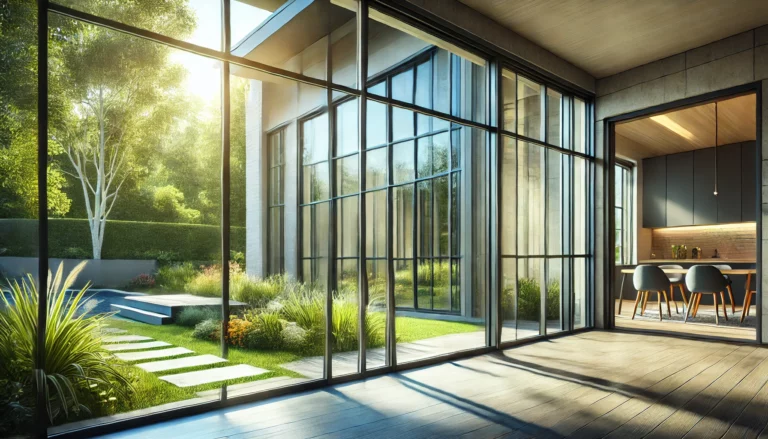
For example, a room with direct afternoon exposure may need a different glass package than a shaded room where preserving brightness is the bigger goal. Large picture windows may create a beautiful visual effect but should be balanced with operable units if airflow matters. Good design and good performance can absolutely work together, but that happens through deliberate choices rather than generic packages.
Installation quality is part of the value equation
Homeowners sometimes compare quotes as if the products are the only variable. In practice, installation details shape the outcome just as much. Measuring accuracy, moisture protection, trim finishing, and cleanup all affect whether the project feels like a true upgrade. Poor installation can erase the benefits of a solid product and create expensive headaches later.
That is why careful project planning and contractor communication matter so much. A good team explains what type of installation is being proposed, what is included in the scope, and how the finished openings will be sealed and finished. Better clarity up front leads to better expectations and usually better results.
Smart owners think beyond the quote
The lowest quote is not always the best value, especially if it excludes work that will matter later. Homeowners should ask what kind of warranty support is available, whether trim or finish repairs are included, how long the project is expected to take, and what assumptions were made in the estimate. Those details often reveal whether a proposal is genuinely complete or simply priced to win attention.
In the end, replacement windows can improve comfort immediately and support resale over the long term, but the strongest outcomes come from planning the project like part of a larger property strategy. When owners think about performance, sequencing, and installation quality together, the investment tends to do more than refresh the look of the home. It strengthens how the property lives and how it is perceived.