
Key Takeaways
- Summary of SoCal winter surface situations
- Varieties of terrain states during Southern California’s winter
- Impact of precipitation on SoCal land conditions
- Recommended strategies for handling winter ground situations
- Annual readiness for Southern California’s winter
Overview of SoCal Winter Ground Conditions
SoCal winter ground conditions are influenced by a variety of factors including winter storms and weather patterns unique to the region. These conditions can lead to the formation of snowpack, particularly in higher elevations, as well as the potential for artificial snow in ski resorts. The National Weather Service often issues alerts during extreme weather events, such as an extreme cold watch, signaling significant changes in weather conditions. Variations in temperatures can impact soil moisture levels and contribute to soil stability issues. Understanding these dynamics is essential for managing the challenges posed by SoCal winter ground conditions effectively.
Key Factors Affecting Ground Conditions
SoCal winter ground conditions are heavily influenced by a variety of factors, including atmospheric temperatures and severe weather patterns. During winter, fluctuations in air temperatures can lead to significant changes in soil temperature. The presence of snowfall and subsequent snow melt alters ground moisture levels, which can affect how soil behaves under various conditions. As the snowline shifts, areas that were initially covered in ice may experience rapid changes, impacting the stability of the ground.
Weather extremes, including sudden drops in temperature and wind chills, can also play a crucial role in shaping SoCal winter ground conditions. These elements contribute to the freeze-thaw cycle, which can exacerbate soil erosion. Changes in moisture from rain or melting snow add complexity to how soils react, further influencing the overall climate of the region and the integrity of the land. Understanding these factors is essential for managing the challenges posed by Southern California’s winter weather.
| Factor | Impact on Ground Conditions | Observation Period |
|---|---|---|
| Atmospheric Temperatures | Affects soil temperature and organic activity | Winter Season |
| Snowfall | Increases ground moisture; leads to thawing | During and After Snow Events |
| Freeze-Thaw Cycle | Exacerbates soil erosion and instability | Late Fall to Early Spring |
| Rainfall | Changes moisture levels; can lead to runoff | Winter Rain Events |
Seasonal Changes in Soil Composition
SoCal winter ground conditions are heavily influenced by the changing climate. The National Center for Atmospheric Research (NCAR) has noted that precipitation patterns have become increasingly erratic, leading to variations in soil composition. The impact of storms during the winter months can alter soil profiles, especially in regions near ski resorts that attract snowboarders and skiers. The snow water equivalent can create temporary changes in soil moisture, which affects both nutrient availability and stability.
Freezing temperatures during the winter can also contribute to changes in soil structure and composition. As temperatures drop, the risk of frost heave increases, impacting the soil’s ability to retain moisture and nutrients. These shifts in the soil ecosystem are further compounded by climate change, which introduces unpredictability in weather patterns. The American Meteorological Society recognizes these factors when analyzing the implications of winter conditions in Southern California, helping to inform better management strategies for the region’s diverse landscapes.
Types of Ground Conditions in Southern California Winter
SoCal winter ground conditions undergo significant changes influenced by various climatic factors. Annual precipitation patterns can lead to varied terrain characteristics, where heavy downpours may create slush in lower elevations while higher altitudes experience frozen ground suitable for ski resorts. The interplay between atmospheric conditions and climate change impacts also adds complexity, as low snow years can lead to winter desiccation and altered ground temperature profiles. For skiers and outdoor enthusiasts, understanding these variations is crucial for navigating the diverse SoCal winter ground conditions effectively.
- Lower elevations may experience slushy conditions due to rain and warming temperatures.
- Higher altitudes can have frozen ground, providing ideal conditions for skiing and snowboarding.
- Soil saturation can occur in areas with heavy rainfall, affecting traction and outdoor activities.
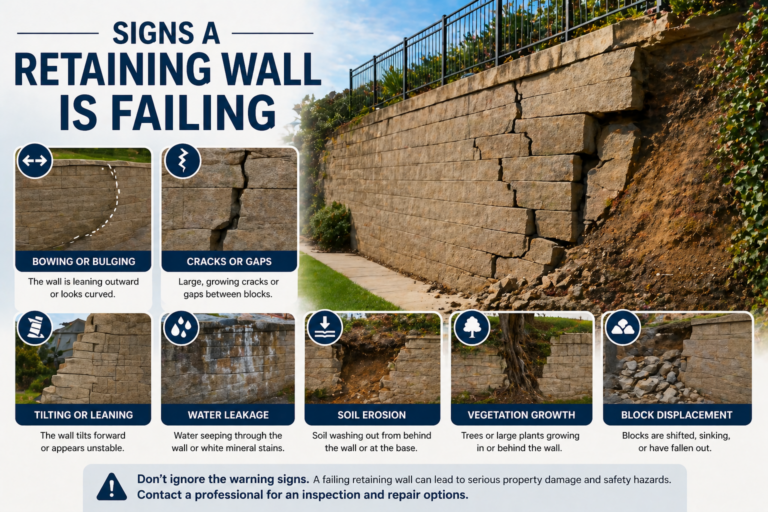
- Some regions may see mudslides and erosion due to sudden downpours on dry ground.
- Fluctuating temperatures can cause freeze-thaw cycles, impacting both ground stability and surface conditions.
- Areas with less precipitation might have dry ground, leading to increased dust and reduced traction.
- Understanding local forecasts and ground conditions is essential for safety when engaging in outdoor activities.
Moisture Levels and Their Impact
SoCal winter ground conditions are heavily influenced by moisture levels, which can vary significantly from year to year. In a low-snow year, the lack of adequate moisture may lead to less desirable snow conditions in the SoCal mountains. Extreme cold and secondary colder storms can exacerbate these conditions, impacting soil moisture retention. During periods of cold temperatures, the ground may become compacted, preventing proper drainage and affecting overall soil health.
Conversely, years with higher moisture levels can promote healthy soil dynamics and support the ecosystem. Cold, wet winters contribute to the replenishment of groundwater reservoirs, crucial for the region’s agricultural practices. However, a trend towards low-to-no snow winters raises concerns about future water availability and SoCal winter ground conditions. With a low-to-no-snow future predicted, understanding the impacts of varying moisture levels will be essential for sustainable land management in Southern California.
Soil Temperature Variations
SoCal winter ground conditions exhibit significant variability in soil temperature, influenced by factors such as cold air and dry winter winds. During periods of widespread freezing temperatures, the ground can become unyielding, particularly in areas where there is little snow or only old snow remaining. Conversely, anomalous weather events that bring heavy snow can temporarily insulate the ground, leading to warmer soil temperatures under the snowpack. This interaction often affects the local ecosystem, impacting plant growth and the overall health of the soil.
Chilly temperatures typical of Southern California winters can also lead to fluctuations in soil temperature, particularly in regions experiencing low-to-no snow cover. Ground temperatures may drop significantly during the night, but the sunny days that follow can cause rapid warming. This dynamic is crucial, as it influences moisture retention and microbial activity within the soil. Understanding these fluctuations helps in managing SoCal winter ground conditions, especially for those involved in agriculture and landscaping activities that rely on healthy soil.
Effects of Rainfall on SoCal Ground Conditions
The interplay between rainfall and SoCal winter ground conditions is critical, especially in a year characterized by persistent low-to-no snow and minimal snowfall across the region. Ground conditions can shift dramatically with the arrival of rain, particularly in areas experiencing drier than average winters in the southern part of the state. Super cold winter nights contribute to the formation of cement-like snow, while surface temperatures fluctuate, affecting the underlying ground. Data on the Sierra snowpack reveals that public-facing weather forecasts must account for these conditions, as they directly impact soil erosion, stability, and overall agricultural viability. Understanding these dynamics is essential for effective management of SoCal winter ground conditions.
Soil Erosion and Stability
SoCal winter ground conditions can become precarious, especially during periods of typical January snow and below-freezing temperatures. The accumulation of snowpack levels varies significantly from year to year, with some winters experiencing record-low snowpack while others see high snow levels due to exceptional warm storms. As winter rains begin to saturate the soil, the stability of the ground decreases, increasing the risk of soil erosion. These changes are exacerbated by extreme weather cases that contribute to an active weather pattern, making it crucial to monitor soil conditions closely.
The melting of snowpack as winter seasons progress can lead to increased runoff, further destabilizing the soil. As temps fluctuate and winter survival becomes more challenging for plant life, understanding the dynamics of soil stability is essential for both agriculture and construction. With future weather patterns likely influenced by climate change, adapting to these conditions is key. Ensuring proper measures are in place can mitigate the effects of soil erosion, allowing for better management of the unpredictable SoCal winter ground conditions.
Impact on Agriculture and Landscaping
SoCal winter ground conditions significantly impact agriculture and landscaping. Seasonal winter rains are vital for replenishing soil moisture but can lead to challenges if rainfall amounts exceed soil absorption rates. The interplay of warmer temperatures during a winter heat wave and sudden cold snaps can affect plant growth cycles. The snowpack change influences irrigation availability in spring, while the storm-time snowline affects water runoff patterns. Farmers must adapt to these fluctuations to ensure crop viability, particularly as weather service issues like cold watches alert them to potential overnight temperature drops that could harm sensitive plants.
Landscaping practices must also adjust to the shifting SoCal winter ground conditions. With several periods of bare ground emerging due to fluctuating climate forces, landscapers need to be prepared for the effects of soil erosion resulting from heavy rains. Plant selections may shift based on regional climate roles, with a focus on species capable of surviving prolonged rain and drought cycles. The presence of snow thicker than usual may create additional challenges for established landscapes, requiring modifications in maintenance routines. Understanding these factors ensures that both agricultural and landscaping endeavors remain resilient against unpredictable weather and climate changes in the region.
- Farmers must monitor rainfall and soil moisture levels to adapt their irrigation practices.
- Planting strategies may need to include drought-resistant and flood-tolerant species.
- Soil conservation techniques should be implemented to combat erosion during heavy rain periods.
- Seasonal temperature variations require careful selection of planting and harvesting schedules.
- Maintenance routines should be adjusted to accommodate the effects of heavy snow and frost on landscaping.
- Regular updates from weather services can help farmers and landscapers stay informed about upcoming weather conditions.
- Collaboration between agricultural experts and landscapers can lead to innovative solutions for managing climate impacts.
Best Practices for Managing Winter Ground Conditions
Effective management of SoCal winter ground conditions requires a keen understanding of various aspects influenced by climate perspectives. Changes in root temperatures are critical, particularly with minimum soil temperatures occasionally dipping below freezing during seasonable fluctuations. The presence of powdery snow can complicate conditions, necessitating strategies that account for major storms and the potential for increased moisture. Homeowners and landscapers must consider weekend weather forecasts to prepare for any sudden shifts in skies, ensuring that drainage solutions are in place to mitigate flooding. By employing soil amendments, one can enhance resilience during wet spells while maintaining proper aeration for healthy root growth. Adapting to these climate impacts helps ensure that SoCal winter ground conditions remain amenable for winter hikes and outdoor activities, even in the face of adverse weather.
Drainage Solutions and Techniques
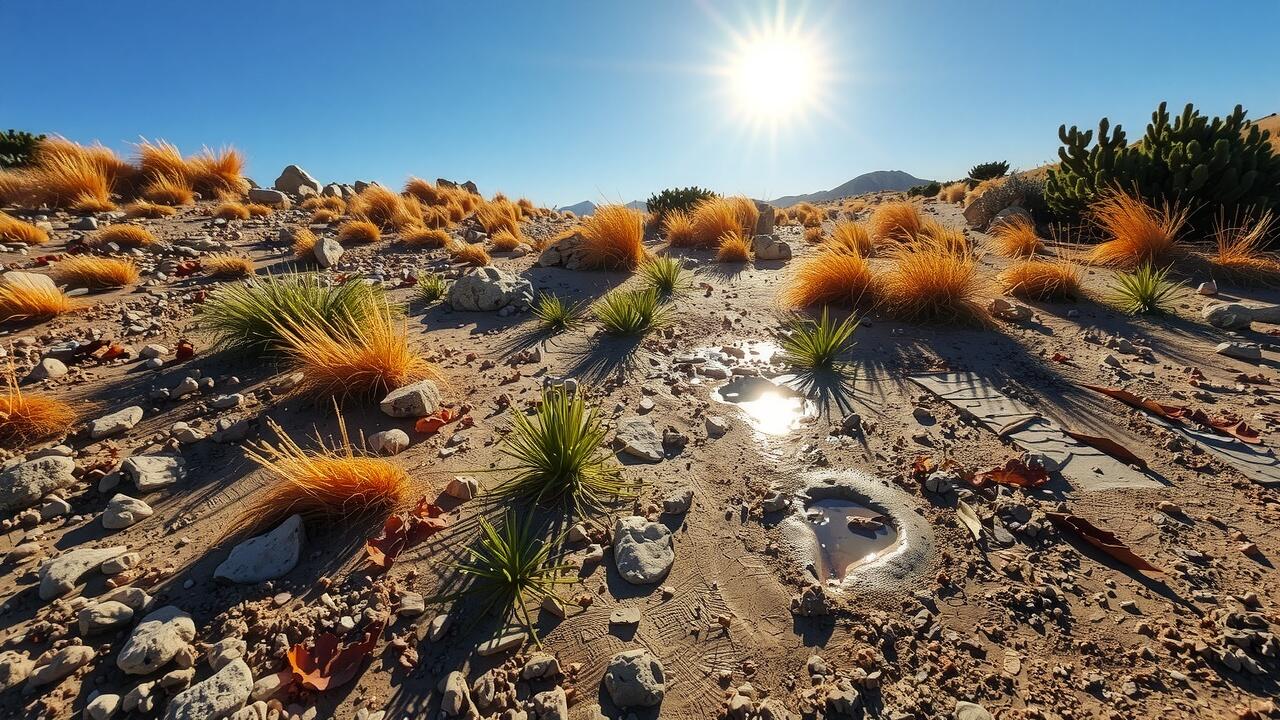
Effective drainage solutions are crucial for managing SoCal winter ground conditions, especially given the possibility of heavy storms and exceptional precipitation. On a warm sunny day, proper drainage helps maximize soil health by preventing waterlogging, which can lead to root rot in plants. Techniques such as installing French drains or creating swales can redirect excess water away from vulnerable areas. This is particularly important during November storms when the region experiences high-risk weather events, making it essential to prepare for severe storms that may follow.
Implementing drainage techniques allows for better handling of soil moisture, which affects root temperatures during fluctuating conditions. As the future climate may bring unpredictable patterns, atmospheric research highlights the need for effective water management. By accounting for the remarkable temperature changes, especially with southerly origins bringing warmer conditions, landowners can ensure that their properties remain stable. Considering all these factors, establishing sound drainage practices becomes vital to maintaining healthy landscapes throughout SoCal winter ground conditions.
Soil Amendments and Treatments
Effective soil amendments and treatments play a crucial role in managing SoCal winter ground conditions, particularly in the southern part of the region. The unique climate, characterized by impressively warm temperatures and low latitude, affects soil composition. With the influence of a subtropical airmass, the temperature seldom drops significantly, leading to surface-based instability during the winter months. Low overall precipitation accumulations, along with the occasional norcal precipitation events, can create challenges for maintaining healthy soil.
Addressing these issues often involves incorporating organic matter and specific nutrients to enhance soil health and structure. Treatments that promote moisture retention can be particularly beneficial, especially given the dry wind that can sweep through during this season. Using tailored soil amendments enables gardeners and farmers to adapt to the warm conditions, ensuring that the soil retains its fertility and supports plant growth throughout the winter. Proper management strategies are essential to counteract the effects of changing weather patterns and to sustain productive land in the intermediate latitudes of Southern California.
Seasonal Preparations for SoCal Winter
SoCal winter ground conditions demand careful preparation due to the region’s temperamental mountain weather and the potential for heavy rainfall. Layers of frozen soil may transition into thawing/melted slush, creating tricky footing and complicating construction efforts. Dangerous wind events and dry winds can exacerbate soil erosion, shifting dry soil to less stable areas. According to geophysical research letters, the southern quadrant of Southern California may experience widespread extreme weather, particularly following a major rain event that might drop temperatures by several degrees. Understanding these dynamics is crucial for anyone involved in building or landscaping during the winter months.
Building and Construction Considerations
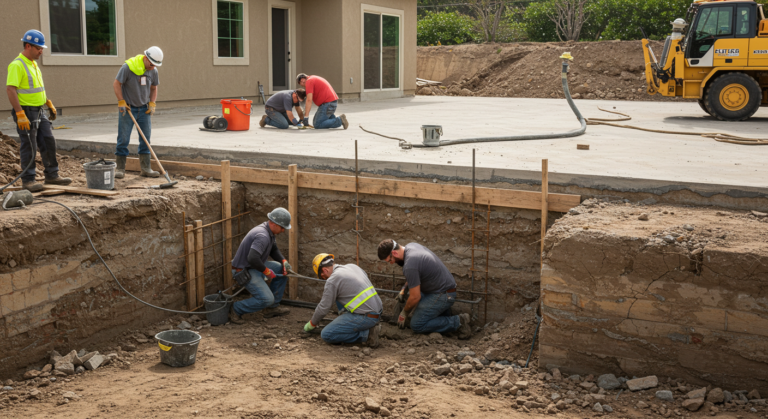
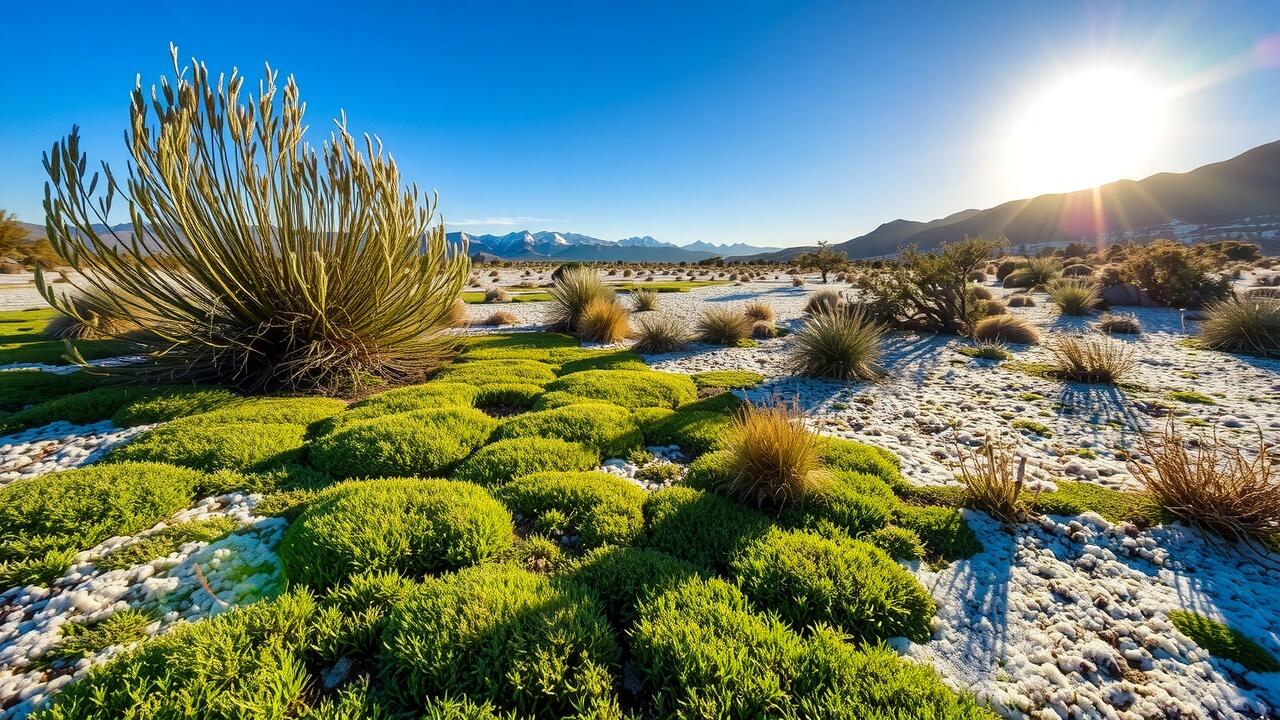
SoCal winter ground conditions present unique challenges for construction projects in the region. With rapid snowmelt and statewide precipitation statistics forecasting increased moisture levels, builders must account for wet soil and its impact on stability. The north side of slopes can experience significant drainage issues, especially following initial rainfall events. The interplay of strong wind shear and seasonal rains can exacerbate erosion risks, particularly in valleys and large areas prone to runoff.
Effective construction practices must consider the extreme variations in weather conditions, including the effects of olympic and ana winds that can disrupt project timelines. Techniques such as proper drainage solutions are essential to managing moisture levels and preventing structural damage. Additionally, builders should be prepared for scenarios involving several feet of rainfall over a short period, which can heavily influence the longevity and safety of any construction in the region.
Conclusion
Understanding SoCal winter ground conditions requires careful consideration of various factors, particularly as February approaches. Seasonal shifts can significantly alter soil composition, impacting moisture levels and temperature variations. Effective management systems play a crucial role in mitigating risks associated with rainfall, such as soil erosion and instability. Addressing these challenges through appropriate drainage solutions and soil treatments helps maintain healthy landscapes and agricultural productivity. Preparing for SoCal winter ground conditions is essential for ensuring both safety and sustainability as the season progresses.
FAQS
How are the winter ground conditions in SoCal affected by climate change and what can we expect in terms of natural snow and high snow conditions this season?
This winter season in SoCal is anticipated to be influenced by climate change, leading to extreme weather conditions. We may experience both anomalous snowpack and varying regional temperature patterns. While some areas could see an increase in natural snowfall, there might also be a trend towards a drier than average winter in the southern part of the state. It’s important to monitor snowpack data closely, as local snowpack may fluctuate significantly. For those looking to enjoy winter fun, having the right winter jackets and being prepared for SoCal’s winter rain season will be essential, especially as snowpack melts and contributes to regional water supply.
What factors lead to nice weather and clear skies in SoCal overnight during the winter months, and how do these conditions relate to climate perspectives on weather in the region throughout the year?
The nice weather and clear skies in SoCal overnight during the winter months can be influenced by several factors, including low humidity and warmth caused by climate change. As we assess climate perspectives on this weather year, we may notice high snow conditions becoming less frequent. Furthermore, understanding how to handle root temperatures during colder periods is crucial for farmers and gardeners looking to adapt to these changing conditions.
How do minimum temperature variations in SoCal winter ground conditions influence climate perspectives on weather, specifically in relation to the weather west blog and reports from weather connect reporter?
Minimum temperature variations significantly impact SoCal winter ground conditions and play a crucial role in shaping climate perspectives home. By analyzing these variations, we can gain insights into overall weather patterns in the region as discussed in the weather west blog and reported by weather connect reporter.
What are the specific challenges that SoCal is facing regarding ground conditions during the winter season?
This winter, SoCal is experiencing various challenges related to ground conditions, which can include fluctuating temperatures and limited precipitation. These challenges may impact local ecosystems and agriculture as SoCal isn’t receiving consistent winter moisture, raising concerns for the natural environment and water supply in the region.
How do winter ground conditions in SoCal compare to regions that experience regular snowfall, and what implications does this have for local climate adaptation strategies?
Winter ground conditions in SoCal can be significantly different from areas with regular snowfall, as SoCal typically experiences milder weather and less accumulation of natural snow. This difference influences local climate adaptation strategies, focusing on water conservation, drought preparedness, and managing the ecological impacts of temperature fluctuations throughout the winter months.