

Key Takeaways
- Comprehending the returns on home upgrades
- Categories of home improvements with significant returns
- Assessing the economic effects of property enhancements
- Approaches to enhance the value of home renovations
- Locality and market factors to consider
- Frequent errors in property renovation investments
Understanding Home Renovation ROI
Home renovation ROI refers to the financial return homeowners can expect from investments made during home improvements and renovations. Homeowners often seek to maximize their home renovation ROI by carefully selecting projects that enhance their property’s value while aligning with market expectations. Various factors influence this ROI, including the type of renovation, quality of materials, and the choices made by home builders. Understanding the dynamics between specific renovations and their returns helps homeowners make informed decisions. Effective planning and consideration of current trends can lead to significant gains in home remodeling projects, reflecting the importance of strategic improvements in enhancing property value.
What is Home Renovation ROI?
Home renovation ROI represents the financial return realized from investing in home improvements. This measure is particularly relevant for homeowners looking to enhance their property value before selling. Factors such as the type of renovation, local market conditions, and improvements aligned with buyer preferences significantly influence this return. Homebuyers often seek updated kitchens and bathrooms, boosting the appeal of any house. The National Association of Home Builders and the Joint Center for Housing Studies both highlight that strategic upgrades can lead to higher home equity, making them a wise investment for those working from home or planning to sell.
Understanding home renovation ROI also requires consideration of housing affordability trends. Renovations that expand square footage, like adding bedrooms or enhancing outdoor spaces in a farmhouse setting, can particularly benefit real estate values. Homeowners may opt for a home equity loan to finance these improvements, expecting a favorable return on investment. Evaluating the unique features that make a property attractive can further inform renovation choices, ensuring they align with current buyer expectations and market trends.
Factors Influencing Renovation Return
Several key factors greatly influence home renovation ROI. The condition of essential systems such as roofing and plumbing can significantly impact returns. Upgrading spaces like kitchens and bathrooms typically yields higher ROI than less utilized areas, such as a basement or garage. A real estate appraiser may suggest adding features like barn doors or a stylish fireplace to enhance the aesthetic appeal, increasing potential home equity. High-quality materials, such as hardwood floors, can also drive better returns, making careful selection crucial.
Market conditions and location are critical in determining the success of home renovation ROI. Upgrading exterior features like a garage door can elevate curb appeal, particularly in neighborhoods where home aesthetics are a priority. Homeowners should be aware that renovations may not fetch expected returns if there are existing damages or the trend in the neighborhood leans toward more extensive, luxurious upgrades. Utilizing home equity loans strategically to fund renovations can also affect overall returns, making informed financial decisions essential.
Types of Home Renovations with High ROI
Home renovations that yield high ROI can significantly enhance both the value and appeal of a property. Kitchen and bathroom upgrades often top the list, but other renovations also deserve attention. Investing in a new roof or installing hardwood flooring can provide substantial returns. Outdoor spaces like patios and porches enhance curb appeal while offering lifestyle benefits. Enhancements to landscaping, including elegant furniture and low-maintenance plantings, can elevate a home’s exterior without straining budgets. A garage conversion or basement finishing can maximize usable space and leverage a home equity line of credit for financing. Even small improvements, such as installing ceiling fans, can contribute to a positive home renovation ROI, turning a property into a sought-after residence.
Kitchen Renovations and Their Value
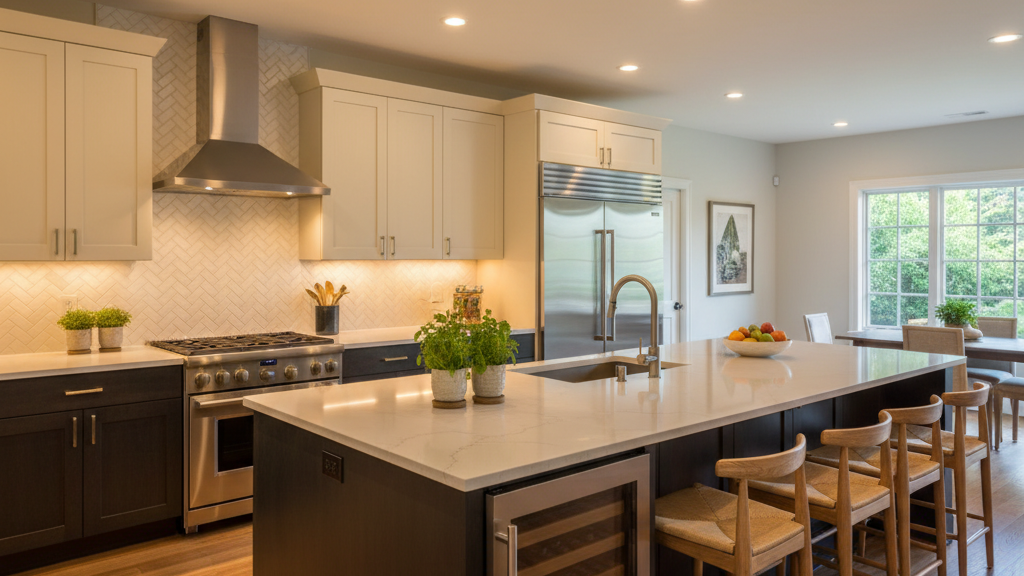
Kitchen renovations often stand out among home renovation projects due to their potential for significant property value increases. Home renovations provide a 70% ROI on average, making them a smart investment for homeowners seeking to enhance their living spaces. Common home renovations, like updating cabinets, countertops, and appliances, not only improve aesthetics but also contribute to overall functionality. Home improvement ROI tends to be higher in kitchens, where everyday use makes the upgrades more apparent and appreciated by potential buyers.
Investing in kitchen renovations can also positively influence outdoor spaces like patios. As more homeowners seek to create seamless indoor-outdoor living environments, modern kitchens that open to patios can enhance the appeal of a property. With a well-planned kitchen renovation, homeowners can anticipate a favorable home renovation ROI. Opting for popular and timeless design choices in kitchen upgrades can lead to better long-term ROI home improvements, ensuring that the investment pays off significantly when it comes time to sell.
Bathroom Improvements for Maximum Return
Bathroom improvements are among the most valuable home improvements available today. Homeowners often find that a well-executed renovation plan, focusing on key upgrades such as modern fixtures and efficient layouts, can significantly boost their home renovation ROI. Renovation experts frequently recommend prioritizing renovations that enhance both aesthetics and functionality. These renovations typically come with higher total renovation costs but yield remarkable returns when it comes time to sell.
A full renovation of a bathroom, which might include updated plumbing and energy-efficient appliances, can elevate a property’s value drastically. Many renovations in this area often center on maximizing space and comfort, leading to strong buyer appeal. By carefully selecting renovation projects that align with current trends, homeowners can ensure their renovation plans resonate within the renovation world. This strategic approach contributes to a more favorable home renovation ROI, making it essential for anyone considering bathroom upgrades.
Evaluating the Financial Impact of Home Improvements
Assessing home renovation ROI begins with clearly defined renovation goals. Home improvement projects vary widely, with some common renovation projects yielding significant financial returns. For example, a kitchen renovation often tops the list of popular renovations, providing a strong ROI due to its impact on the home’s overall value. Certain renovations, like enhancing the home exterior, can also prove valuable, especially in competitive markets. National home improvement trends reveal patterns in how specific renovations resonate with buyers. Calculating home improvement ROI involves analyzing the costs versus the anticipated returns, guiding homeowners toward making informed decisions about which home improvement projects are likely to deliver the best financial outcomes.
- Understand the local real estate market to identify which renovations are most valued by buyers.
- Focus on energy-efficient improvements, as they may offer both cost savings and increased home value.
- Consider the costs of labor and materials when budgeting for renovations to avoid overspending.
- Keep up with design trends that appeal to potential buyers, as modern aesthetics can enhance perceived value.
- Consult with real estate professionals to get insights into renovations that provide the best return in your area.
- Document all improvements made to accurately convey value to potential buyers or appraisers later.
- Be cautious of over-improving your home beyond the neighborhood standards, which may not yield a positive ROI.
Calculating ROI for Home Improvements
Understanding home renovation ROI is crucial for homeowners planning specific renovations. Home improvement efforts should be assessed based on the investment versus the potential increase in value of home features. Major renovations like kitchen and bathroom upgrades often yield the best returns, while few home improvement projects may not significantly impact overall home value. Tracking these metrics helps homeowners make informed decisions about which roi projects to pursue.
Calculating the home renovation ROI involves comparing the cost of well-executed renovations with the increased market value of the entire home. Home improvement refers not only to aesthetic changes but also to functional upgrades that appeal to potential buyers. For those considering financing options, a home improvement loan may help fund these projects. Understanding the financial implications of these investments ensures homeowners maximize their returns on renovations.
Comparing ROI Across Different Renovation Types
Homeowners should consider the potential home renovation ROI when planning their projects. Some renovations consistently deliver a high ROI, such as minor kitchen renovations and bathroom upgrades. Renovation loan experts often recommend focusing on top ROI projects, as these improvements not only increase home value but also enhance livability. For instance, an all-white style renovation can transform a space aesthetically and functionally, making it more appealing to potential buyers.
Comparing ROI across different renovation types reveals that exterior improvements often provide significant returns as well. Curb appeal plays a crucial role in a home’s attractiveness, influencing buyer perceptions and offering substantial home renovation ROI. Homeowner remodels focusing on sought-after renovations can dramatically affect overall home value. By analyzing different projects and their respective returns, homeowners can make informed decisions that maximize their investment and create a more desirable living space.
Strategies to Maximize Home Renovation Value
Maximizing home renovation ROI is essential for many homeowners looking to enhance their current home while ensuring future home value. On average, home remodeling improvements pay back 56 percent of their value, appealing significantly to future home buyers. Choosing quality materials can lead to a good ROI, while strategic timing of renovations can yield an impressive ROI. Homeowners must consider how specific improvements impact their home’s resale value, as home buyers often seek features that reflect solid investment. Understanding these dynamics allows for informed decisions that elevate both immediate enjoyment and long-term financial recovery.
- Focus on kitchen and bathroom remodels for high returns.
- Invest in energy-efficient upgrades to appeal to eco-conscious buyers.
- Enhance curb appeal with landscaping and exterior improvements.
- Consider open floor plans to increase perceived space and flow.
- Prioritize repairs and maintenance before major renovations.
- Utilize neutral color palettes to attract a wider range of buyers.
- Document renovations thoroughly to showcase improvements when selling.
Choosing the Right Materials for High Returns
Selecting the right materials during a renovation can significantly influence home renovation ROI. High-quality materials not only enhance the aesthetic appeal of spaces like updated kitchens but also maintain their value over time. Housing studies show that homebuyers often prioritize features in comparable homes, emphasizing the importance of utilizing durable and attractive materials. Opting for materials that promise longevity can minimize future costs, ultimately supporting a better return on investment when selling your property.
Understanding ROI involves more than just material costs; it also includes considering renovation loan options like the renofi renovation loan. Homeowners looking to upgrade spaces may find that investing in new kitchens or updated bathrooms can dramatically increase their current home value. Average ROI varies by project, yet strategically choosing materials can elevate future ROI. For those with second homes, the same principles apply, reinforcing the need to make informed decisions that resonate with potential buyers in the market.
Timing Your Renovations for Optimal ROI
Renovating your home at the right time can significantly impact your home renovation ROI. Homeowners should consider the preferences of future homebuyers, as certain renovations may make a house look more appealing. For instance, investing in bathroom renovations and updating housing accessories can yield a maximum ROI, especially if these improvements align with current market trends. Buyers often gravitate towards homes that offer modern amenities, which can make a home harder to resist and increase overall home equity products.
Seasonal timing also plays a crucial role in the renovation process. Spring and summer are popular for home improvements, as potential buyers are more active during these months. If you are a homeowner looking to sell a shore home or even a brand-new home, deciding to renovate before listing can enhance its appeal. Bedrooms and bathrooms are focal points for buyers, so prioritizing renovations in these areas may lead to a higher potential ROI, ensuring your investment pays off in the long run.
Neighborhood and Market Considerations
Understanding the neighborhood and market dynamics is crucial for maximizing home renovation ROI. Would-be homebuyers often prioritize in-demand home features such as upgraded kitchens and bathrooms, which can significantly boost a house’s appeal. Investing in luxury upgrades may yield higher ROI, especially if they align with local market trends. Recovery data indicates that enhancing the exterior work of a property can also create a more welcoming first impression, driving up potential sales. Real estate statistics reveal that increasing the number of bedrooms or bathrooms enhances overall value, ensuring that every dollar spent on renovations generates substantial ROI for sellers.
| Renovation Type | Estimated ROI (%) | Market Impact |
|---|---|---|
| Kitchen Remodel | 60-80% | High demand; often tops buyer wish lists |
| Bathroom Upgrade | 70-90% | Attractive feature; increases comfort and value |
| Exterior Landscaping | 85-100% | Enhances curb appeal; first impressions matter |
| Additional Bedroom | 50-75% | Increased space; family-oriented buyers seek this |
| Energy-Efficient Upgrades | 60-80% | Growing interest; environmentally-conscious buyers prefer these |
How Location Affects Home Renovation ROI
Location plays a crucial role in determining home renovation ROI. Areas with high home prices tend to offer better returns on investments for improvements such as upgraded kitchens and renovated master baths. The square foot house value can increase significantly with strategic enhancements, turning repairs into worthwhile projects. A garage door replacement, for example, can yield impressive ROI figures in a sought-after neighborhood compared to less desirable locations. Homeowners may also consider tapping into a home equity loan or line to fund these renovations, ensuring the expenditures align with the local market dynamics.
Market trends and economic factors, such as mortgage rates, also influence the success of home renovations. Regions experiencing growth typically see an uptick in demand for improvements like new roofing and backyard enhancements. Indoor projects designed to elevate comfort and functionality can boost home equity and make properties more attractive to potential buyers. Understanding these dynamics is essential for maximizing home renovation ROI, as the right upgrades in the right location can lead to substantial financial gains.
Understanding Market Trends and Their Influence
Housing markets are dynamic and can significantly impact home renovation ROI. Home preferences shift over time, influencing the desirability of certain interior projects. For instance, a full kitchen overhaul or exterior painting can yield substantial returns in a booming market, while other renovations may provide a worse-than-average ROI if trends move toward minimalism or eco-friendliness. Homeowners looking to maximize their return should focus on sound renovations that align with current buyer expectations.
Understanding how to rate home equity is essential for making informed renovation choices. Upgrades such as updating fixtures or a fireplace update can enhance a home’s value without extensive investment. On the other hand, an upgrade like a new garage door may offer a quick return in many markets. Knowing which renovations resonate with potential buyers can help homeowners make strategic decisions that support a higher home renovation ROI.
Common Mistakes in Home Renovation Investments
Investors often overlook the significant impact that poor planning can have on home renovation ROI. Failing to properly assess the relative ROI rates of various projects can lead to unwise choices, such as room additions that do not align with market demand. Investing in new plumbing or opting for upscale bathroom remodels without a clear budget might also result in an own ROI drop. Overlooking exterior improvements, like new garage door works and an updated landscaping plan, can further diminish returns. Homeowners may mistakenly prioritize luxury features over practical upgrades, such as kitchen remodels or installing a new paver patio, which can provide more substantial returns. Understanding these common pitfalls is essential for maximizing home equity lines and enhancing overall property value.
| Mistake | Description | Potential Consequence |
|---|---|---|
| Poor Planning | Not assessing ROI rates for different projects | Wasted investment on low-return upgrades |
| Ignoring Market Trends | Choosing renovations that don’t align with buyer demand | Difficulty selling the property |
| Neglecting Exterior Improvements | Overlooking essential updates like landscaping or garage doors | Lower curb appeal and reduced overall value |
| Overemphasis on Luxury | Prioritizing luxury features instead of practical upgrades | Lower returns compared to investing in more practical renovations |
| Budget Mismanagement | Not setting a clear budget for renovations | Financial strain and project incompletion |
Conclusion
Understanding home renovation ROI is crucial for homeowners considering enhancements to their properties. Certain upgrades, such as a new garage door or roofing, can significantly boost a home’s value while ensuring reasonable ROI expectations. Focusing on key rooms like the kitchen and bathroom can maximize returns, as these areas tend to influence buyer decisions the most. Personalized improvements that cater to individual needs can enhance the happiness homeowners experience in their space, balancing emotional satisfaction with investment returns. It’s essential for homeowners to stay informed about market trends and evaluate the potential financial impact of renovations within their estate, ultimately guiding them toward informed decisions that align with their renovation goals.
FAQS
How can homeowners determine the roi home improvement for major renovations in their homes?
Homeowners can evaluate the home improvement roi by assessing the potential return on investment (roi) for various home-improvement projects. Valuable renovations, such as updating kitchens or bathrooms, often yield a great roi when it comes time to sell a home. Additionally, considering factors like current home prices/mortgage rates and homeowners’ value in different areas can help determine which renovations offer the best roi/recovery data. Alongside this, homeowners should also explore options like a home renovation loan or home equity loan/line to finance these improvements effectively.
What factors should homeowners consider to maximize their home improvement roi when planning major renovations?
Homeowners should consider various factors to maximize their home improvement roi, including the types of major home renovations they choose to undertake. For example, updates like an upscale kitchen/bathroom or enhancing landscaping can significantly boost homeowners’ value. Additionally, the homeowner take on converting attics or basements into livable spaces often yields a strong roi when it comes time to sell the home. It’s essential to evaluate which particular renovation will give the best roi buck, so homeowners can ensure their investments pay off when they decide to work from home or sell their homes.
What is the significance of roi renovations in the context of increasing homeowners’ value when they sell their homes?
Roi renovations play a crucial role in enhancing homeowners value when selling their homes. For instance, improvements such as updating the garage door or the landscaping can significantly impact the home’s appeal to potential buyers. Homeowners should focus on renovations that offer the best roi, particularly in areas like bedrooms/bathrooms, as these updates can be some of the first things a homebuyer notices. Additionally, regular landscape maintenance can help maintain the overall presentation of the property, further improving its sell value.
How does updating a garage door or landscaping affect the ROI of home renovations when planning to sell homes?
When considering home renovations, the first thing homeowners should evaluate is the potential ROI. Upgrading features like an old garage door or enhancing landscaping can significantly increase a home’s appeal and potentially improve the home sell value. These updates not only elevate curb appeal but are often seen favorably by buyers, thus offering a substantial return on investment (ROI) for those renovations.
How do home renovations like updating a garage door or landscaping influence the ROI when selling homes?
Updating a garage door and landscaping can significantly enhance the overall appeal of homes, leading to a higher ROI. These renovations not only attract potential buyers but also contribute to the perceived value of the property, ultimately influencing the sale price.
What impact does updating a garage door or landscaping have on the ROI of homes during renovations?
Updating a garage door or landscaping can significantly enhance the ROI of homes. These renovations are often seen as aesthetic improvements that not only boost curb appeal but also make homes more attractive to potential buyers. An updated garage door can provide a modern look, while well-maintained landscaping can create an inviting atmosphere, both of which can lead to a higher ROI when selling homes.
How do updates like a new garage door or improved landscaping influence the ROI for homes when considering renovations?
Updates such as installing a new garage door or enhancing landscaping are known to positively influence the ROI for homes. When homeowners plan renovations, focusing on these aspects can not only boost the aesthetic appeal of the property but also increase its market value, leading to a better ROI when selling homes.
How do homeowners benefit from planning home renovations that include updates like a new garage door or improved landscaping in terms of ROI for their homes?
Homeowners can benefit significantly from planning home renovations that include updates like a new garage door or improved landscaping, as these enhancements often result in a higher ROI for their homes. By focusing on these specific updates, homeowners can increase appeal, which may lead to a quicker sale or a higher selling price when they decide to sell their homes.
How can planning a renovation that includes an update on the garage door and landscaping enhance the ROI for homes?
Planning a renovation that features an update on the garage door and landscaping can significantly enhance the ROI for homes. By investing in these updates, homeowners can attract potential buyers and improve the overall appeal of their properties, ultimately leading to a better return on investment when they decide to sell.
How do updates like a new garage door or improved landscaping contribute to the overall ROI for homes during renovations?
Updating features such as a garage door or landscaping can significantly enhance the ROI for homes. When homeowners invest in these updates, they often see a favorable return on investment, especially when selling homes. Improvements like a new garage door or well-maintained landscaping can attract potential buyers and increase the overall appeal of the property, positively impacting its market value.